


Understanding Your HVAC System
A functional Heating, Ventilation, and Air Conditioning (HVAC) system is the silent guardian of your indoor comfort, maintaining optimal temperatures and air quality year-round. Yet, for many, the intricate workings of this essential home appliance remain a mystery. Understanding the components, functionality, and maintenance needs of your HVAC system is not just about curiosity; it’s about empowering yourself to make informed decisions, optimize efficiency, and ensure the longevity of your investment. At Air & Water Solutions, we believe that an educated homeowner is a prepared homeowner, and this guide is designed to demystify your HVAC system, helping you appreciate its vital role in your daily life.
The Foundation: What Exactly is an HVAC System?
HVAC stands for Heating, Ventilation, and Air Conditioning. More than just a collection of machines, it's a comprehensive system designed to regulate the temperature, humidity, and purity of the air inside your home or commercial space. From frigid winters to scorching summers, your HVAC system works tirelessly to create a consistent, comfortable indoor environment, impacting everything from your sleep quality to your utility bills. It's a critical infrastructure that contributes significantly to health, comfort, and the structural integrity of your property by controlling moisture levels.
Deconstructing Your HVAC System: Key Components and Their Roles
To truly understand your HVAC system, it helps to know its primary players and what they do. While specific configurations may vary, most systems share these core components:
• Thermostat: Often called the "brain" of the system, the thermostat is your primary interface. It senses the indoor temperature and allows you to set your desired comfort level, signaling the heating or cooling units to activate or deactivate as needed. Modern smart thermostats can learn your preferences and be controlled remotely.
• Furnace/Heating Unit: This component is responsible for generating heat. Most residential furnaces use natural gas, propane, or electricity to warm air, which is then distributed throughout your property.
• Air Conditioner/Cooling Unit: When the temperatures rise, the air conditioner takes over. It works by removing heat and humidity from your indoor air and transferring it outside. Key parts of the cooling unit include:
• Evaporator Coil: Located indoors, this coil absorbs heat from the air passing over it.
• Condenser Coil: Situated in the outdoor unit, this coil releases the absorbed heat into the outside air.
• Compressor: Also in the outdoor unit, the compressor circulates refrigerant between the evaporator and condenser coils, enabling the heat transfer process.
• Ductwork: This is the network of channels—often hidden within walls, ceilings, or attics—that transports conditioned air from your HVAC unit to various rooms and returns stale air for re-conditioning.
• Blower Motor: Housed within the indoor unit (often part of the furnace), the blower motor pushes air through the ductwork, ensuring even distribution throughout your space.
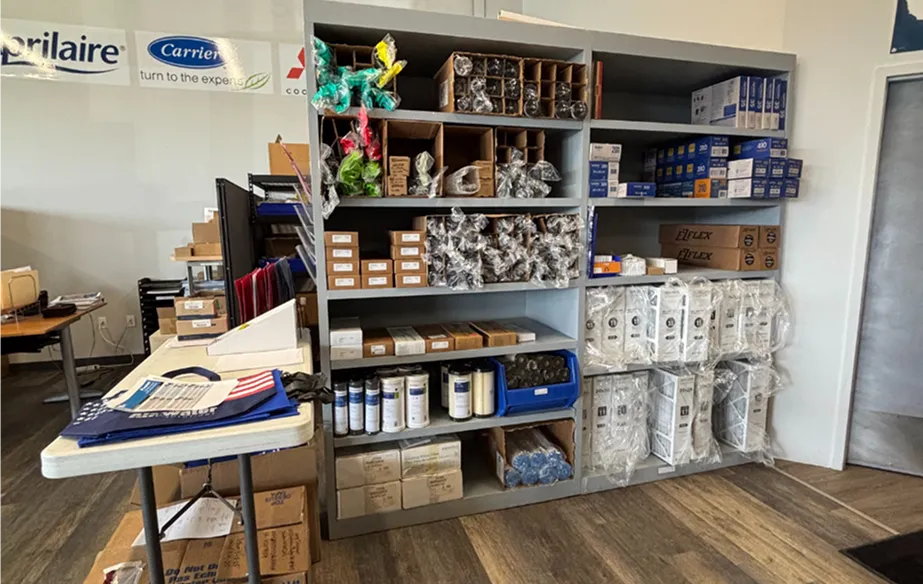
• Air Filter: A crucial, yet often overlooked, component. The air filter traps dust, pollen, pet dander, and other airborne particles before they can circulate through your home or damage the internal components of your HVAC system.
Exploring Different HVAC System Types
While the core function remains the same, HVAC systems come in various configurations tailored to different needs and building types:
• Central HVAC Systems: The most common type, providing heating and cooling from a single, centrally located system. Conditioned air is then distributed throughout the building via an extensive ductwork system.
• Split Systems: These are typical central HVAC setups comprising an indoor unit (with an evaporator coil and furnace/air handler) and an outdoor unit (with a condenser and compressor). They are "split" because the main components are separated.
• Ductless Mini-Split Systems: Ideal for homes without existing ductwork, additions, or for creating zoned comfort. These systems consist of an outdoor compressor/condenser and one or more indoor air-handling units that deliver conditioned air directly into a room, allowing for individual temperature control in different zones.
• Heat Pumps: A highly versatile and energy-efficient solution, a heat pump can both heat and cool a space. In heating mode, it extracts heat from the outside air (even cold air) and transfers it indoors. In cooling mode, it reverses the process, moving heat from indoors to outdoors.
Proactive Care: Essential HVAC Maintenance Tasks
Understanding your HVAC system also means understanding its needs. Regular maintenance is key to efficiency, longevity, and reliable performance.
• Regular Filter Changes: This is arguably the simplest and most impactful maintenance task you can perform. A dirty filter restricts airflow, forcing your system to work harder, increasing energy consumption, and compromising indoor air quality. Check your filter monthly and replace it every 1-3 months, depending on usage, pets, and allergies.
• Duct Cleaning: Over time, ducts can accumulate dust, allergens, pet dander, and even mold. Professional duct cleaning can improve air quality, enhance system efficiency, and extend the lifespan of your HVAC unit.
• Coil Cleaning: Both the indoor evaporator coil and the outdoor condenser coil can become caked with dirt and grime, impeding their ability to transfer heat efficiently. Keeping them clean ensures optimal performance.
• Clear the Outdoor Unit: Ensure the outdoor condenser unit is free from leaves, grass clippings, dirt, and other debris that can obstruct airflow. Maintain at least two feet of clear space around the unit.
• Thermostat Calibration: Periodically check your thermostat's accuracy. A miscalibrated thermostat can lead to inaccurate temperature readings and unnecessary system cycling.
Maximizing Efficiency: Energy-Saving Tips for Your HVAC
An efficient HVAC system doesn't just save you money; it also reduces your environmental footprint.
• Utilize a Programmable or Smart Thermostat: Program your thermostat to adjust temperatures when you're away or asleep. Smart thermostats offer even more advanced features, including learning your preferences and remote control.
• Seal Leaky Ducts: Up to 30% of conditioned air can be lost through leaky ducts. Sealing them can significantly improve efficiency.
• Improve Insulation: Adequate insulation in your attic, walls, and crawl spaces prevents heat transfer, reducing the workload on your HVAC system.
• Seal Windows and Doors: Prevent drafts by sealing gaps around windows and doors, minimizing energy waste.
• Strategic Landscaping: Planting trees or shrubs to shade your outdoor AC unit can help it run more efficiently, especially in direct sunlight.
• Professional Tune-Ups: The most impactful long-term strategy for energy efficiency is regular professional maintenance.
The Undeniable Value of Professional HVAC Inspections and Tune-Ups
While DIY maintenance tasks are helpful, nothing replaces the expertise of a trained HVAC professional. Regular inspections and tune-ups by a qualified technician offer numerous benefits:
• Extended System Lifespan: Proactive maintenance helps prevent minor issues from escalating into costly breakdowns, prolonging the life of your equipment.
• Optimal Energy Efficiency: Technicians clean components, calibrate settings, and ensure your system is running at peak efficiency, saving you money on utility bills.
• Enhanced Reliability: Regular check-ups reduce the likelihood of unexpected breakdowns, especially during peak heating or cooling seasons.
• Improved Indoor Air Quality: Professionals can identify and address issues related to mold, dust, and allergen accumulation within your system.
• Safety Assurance: For heating systems, a professional inspection can detect dangerous issues like carbon monoxide leaks.
• Warranty Compliance: Many HVAC manufacturers require proof of regular professional maintenance to keep your warranty valid.
By understanding the intricacies of your HVAC system, you're not just gaining knowledge; you're investing in your home's comfort, efficiency, and safety. This understanding empowers you to take better care of your system and recognize when professional intervention is required.
Contact Us Now
If you're looking to deepen your understanding or require expert assistance with your heating, ventilation, and air conditioning systems, reaching out to Air & Water Solutions is your next logical step for reliable, professional guidance and service.
Financing Options
We offer flexible financing options through Aqua, Optimus, and Columbia to make your home comfort upgrades more affordable and stress-free.

Financing
Columbia provides competitive financing solutions with low interest rates, helping homeowners upgrade their water systems with confidence and peace of mind.


